About this piano:
Serial No: 142469
Video: Coming Soon!
No of pedals: 3 (Una corda, sostenuto, sustain)
No of keys: 88
Dimensions:
Width: 150cm
Height: (Open: 172cm) (Closed: 99cm) (Half open: 126cm)
Depth: 190cm (6ft 3 inches)
Brief history of Blüthner:
Blüthner pianos, renowned for their quality and craftsmanship, have a storied history dating back to the mid-19th century. The company was founded in 1853 by Julius Blüthner in Leipzig, Germany. By the end of the 19th century, Blüthner had become one of the leading piano manufacturers in Europe, earning acclaim for its innovative designs and superior sound quality.
Blüthner introduced several technical innovations, including the "Aliquot" stringing system in 1873, which added a fourth, sympathetic string to each note in the treble range. This enhancement contributed to a richer, more resonant sound.
The company survived significant challenges, including the destruction of their factory during World War II. After the war, Blüthner rebuilt and continued to produce pianos, maintaining their reputation for excellence.
Today, Blüthner pianos are celebrated for their distinctive tone and are used by musicians and institutions worldwide. The company remains family-owned, with the Blüthner legacy continuing through generations of skilled piano makers.

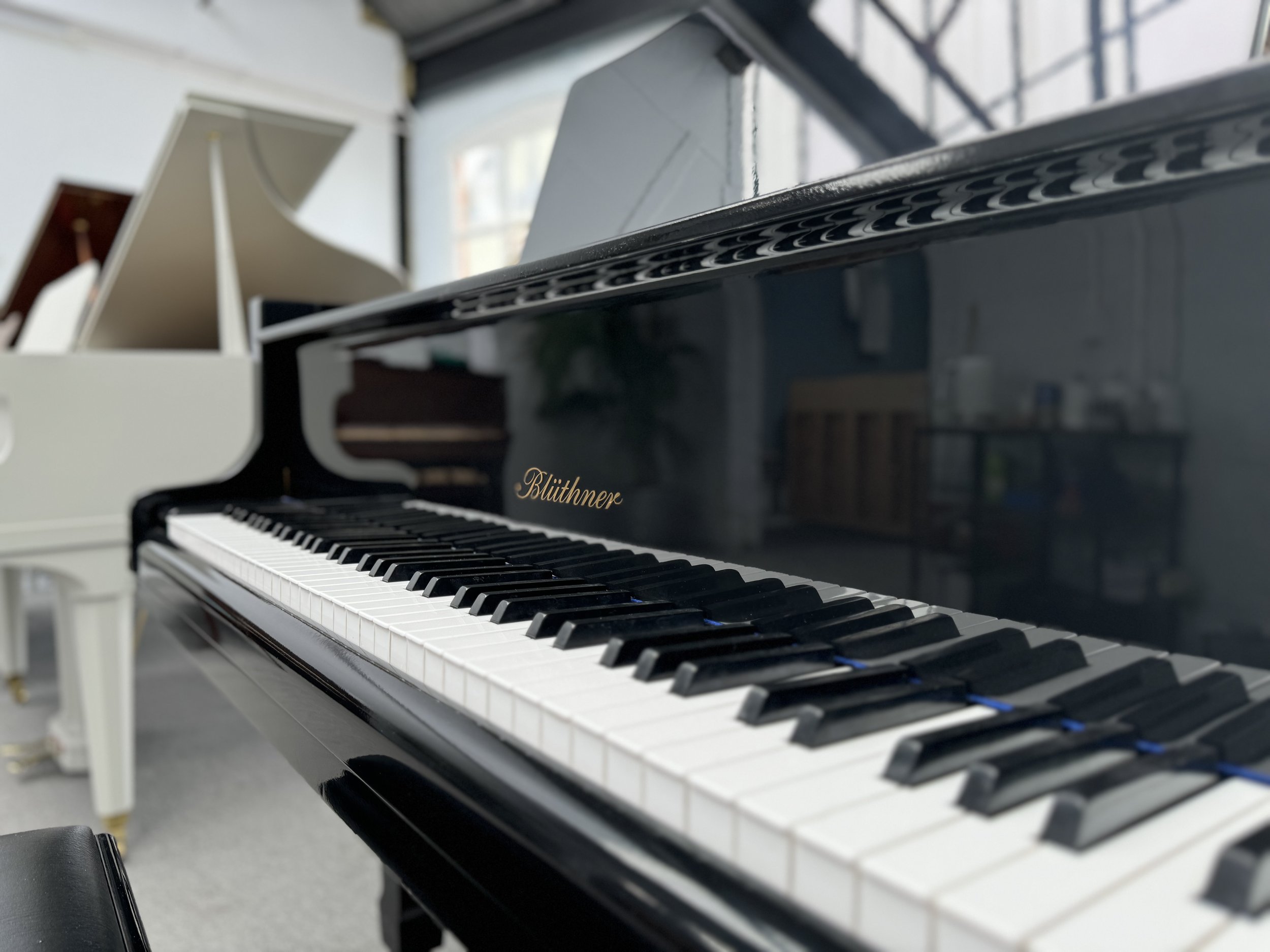 Image 1 of 12
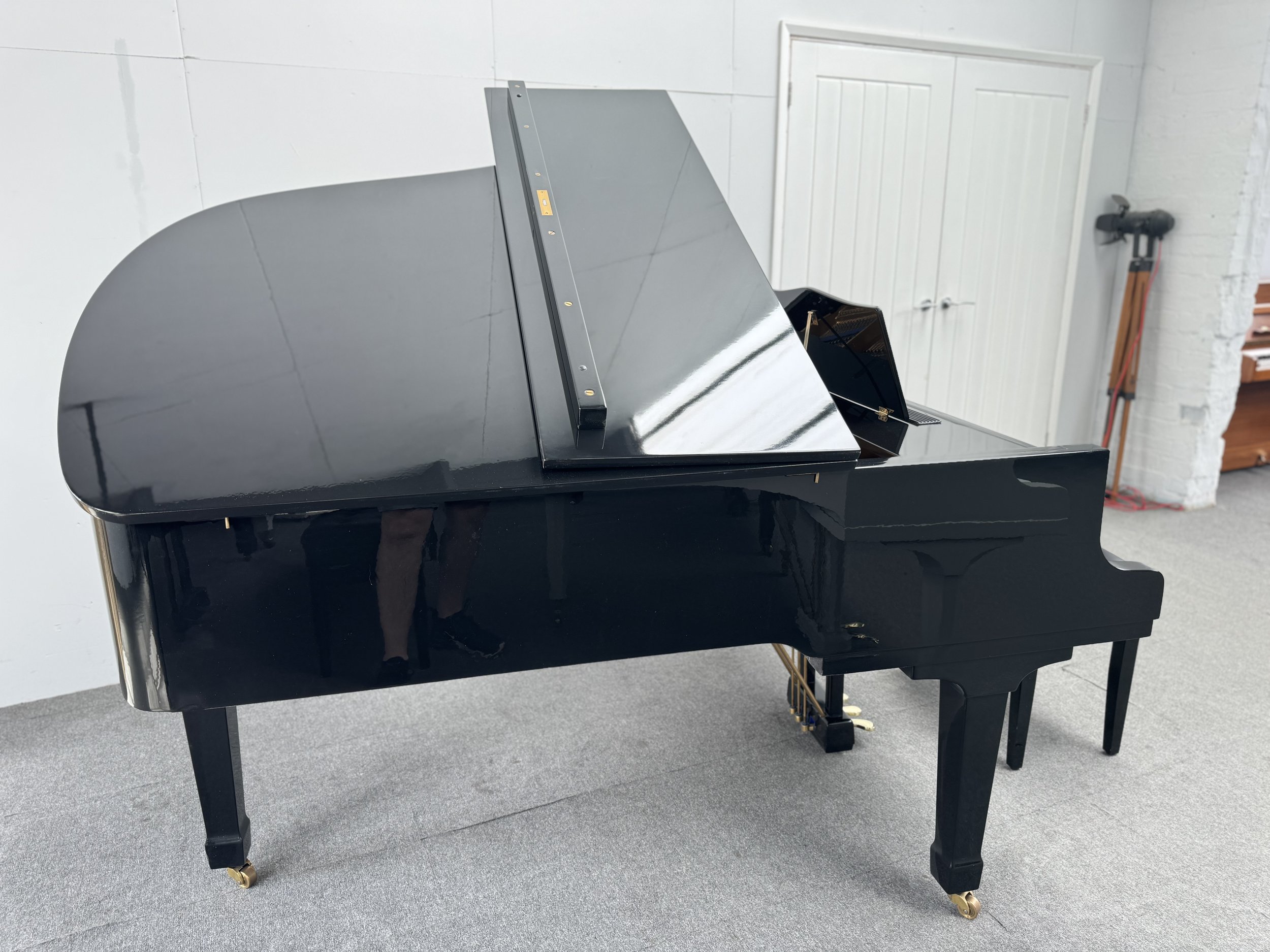 Image 2 of 12
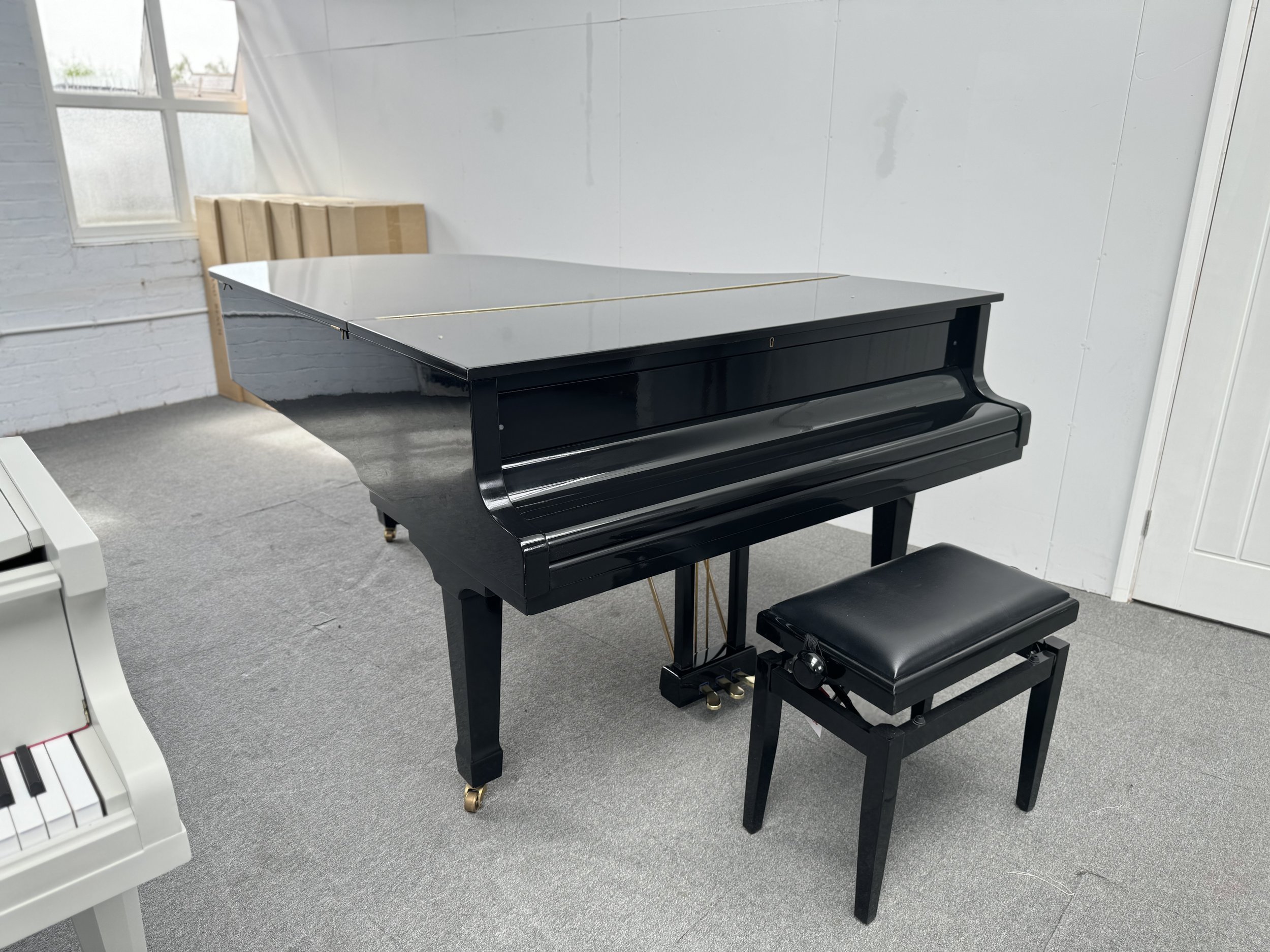 Image 3 of 12
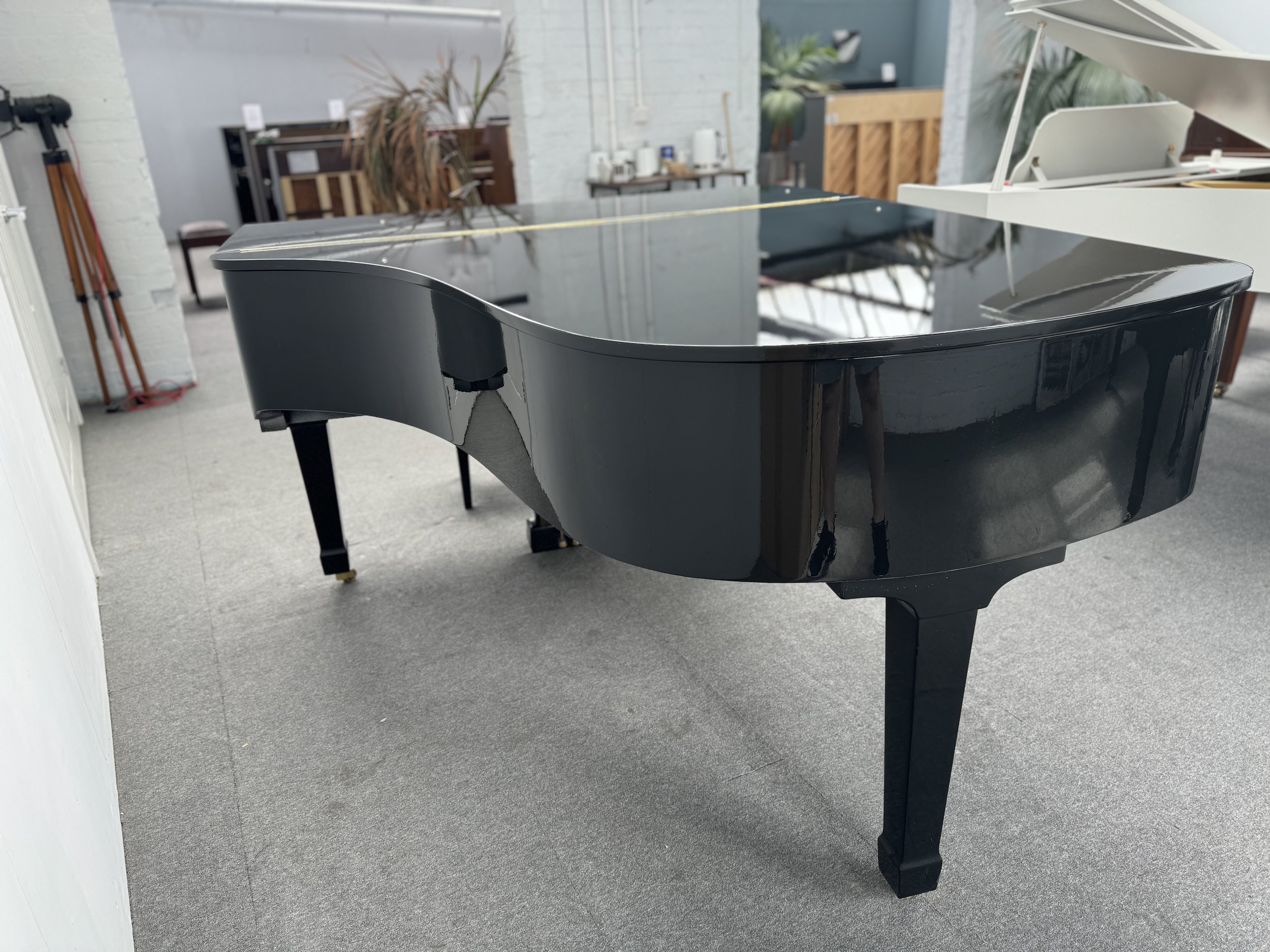 Image 4 of 12
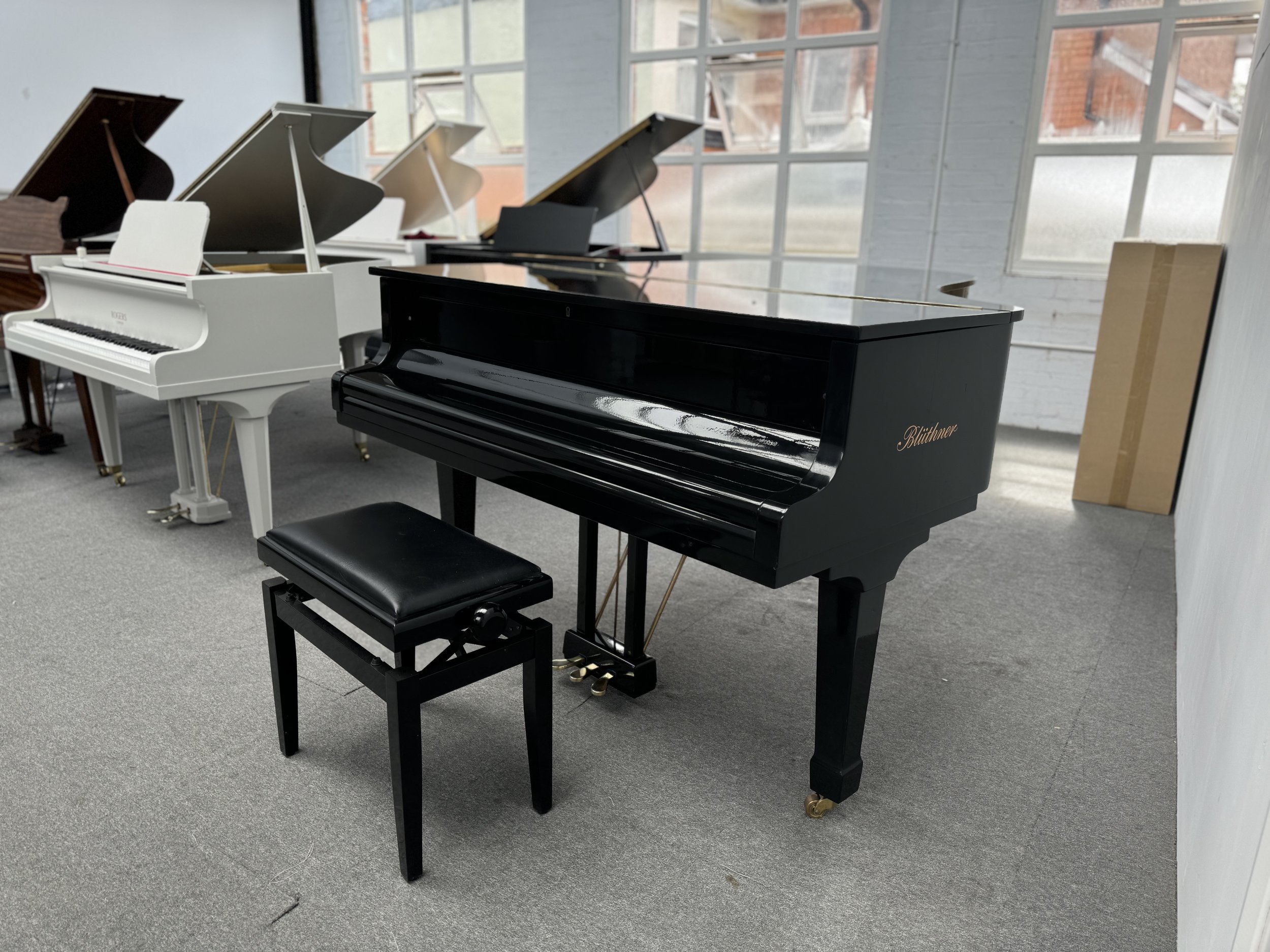 Image 5 of 12
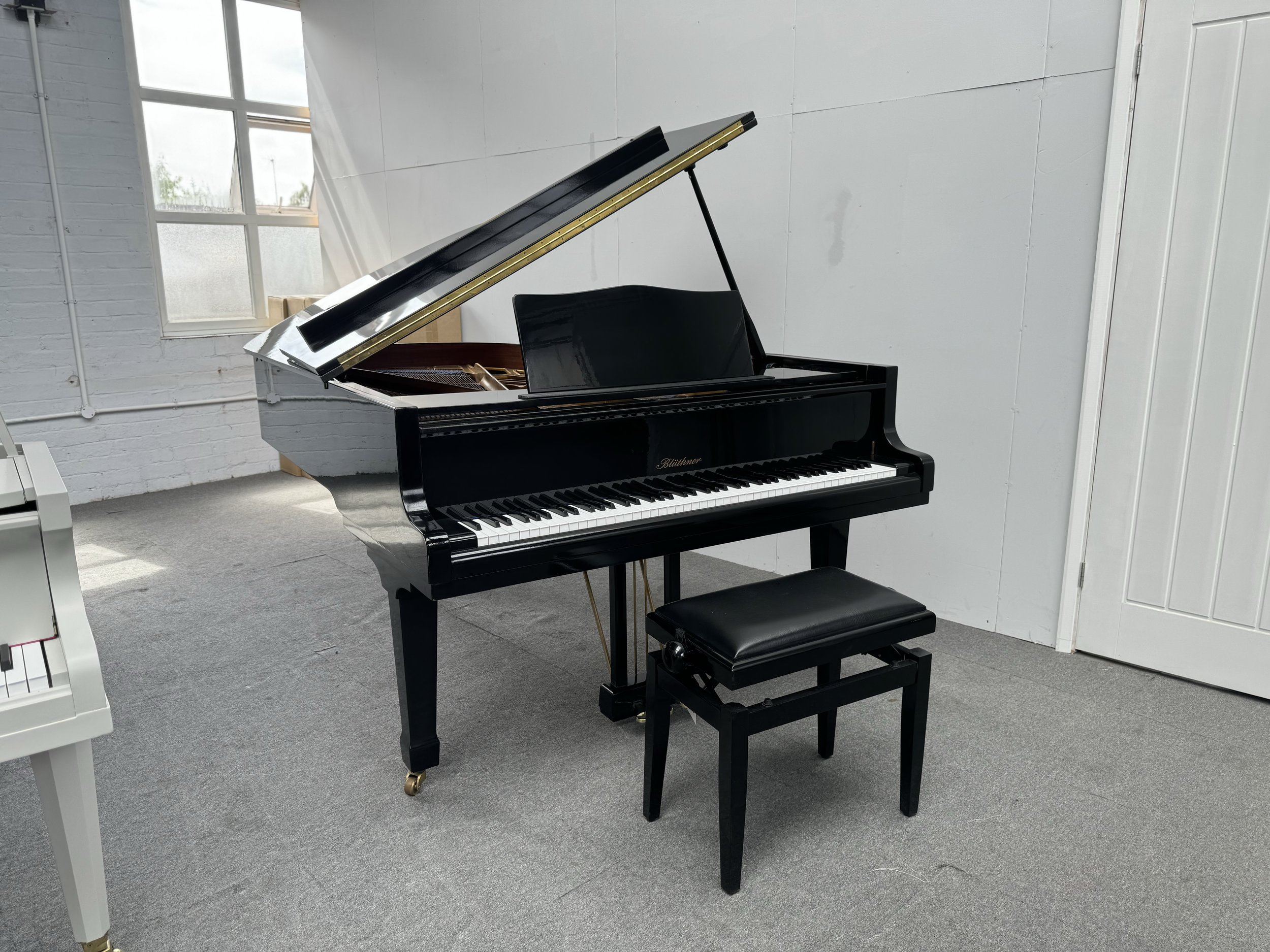 Image 6 of 12
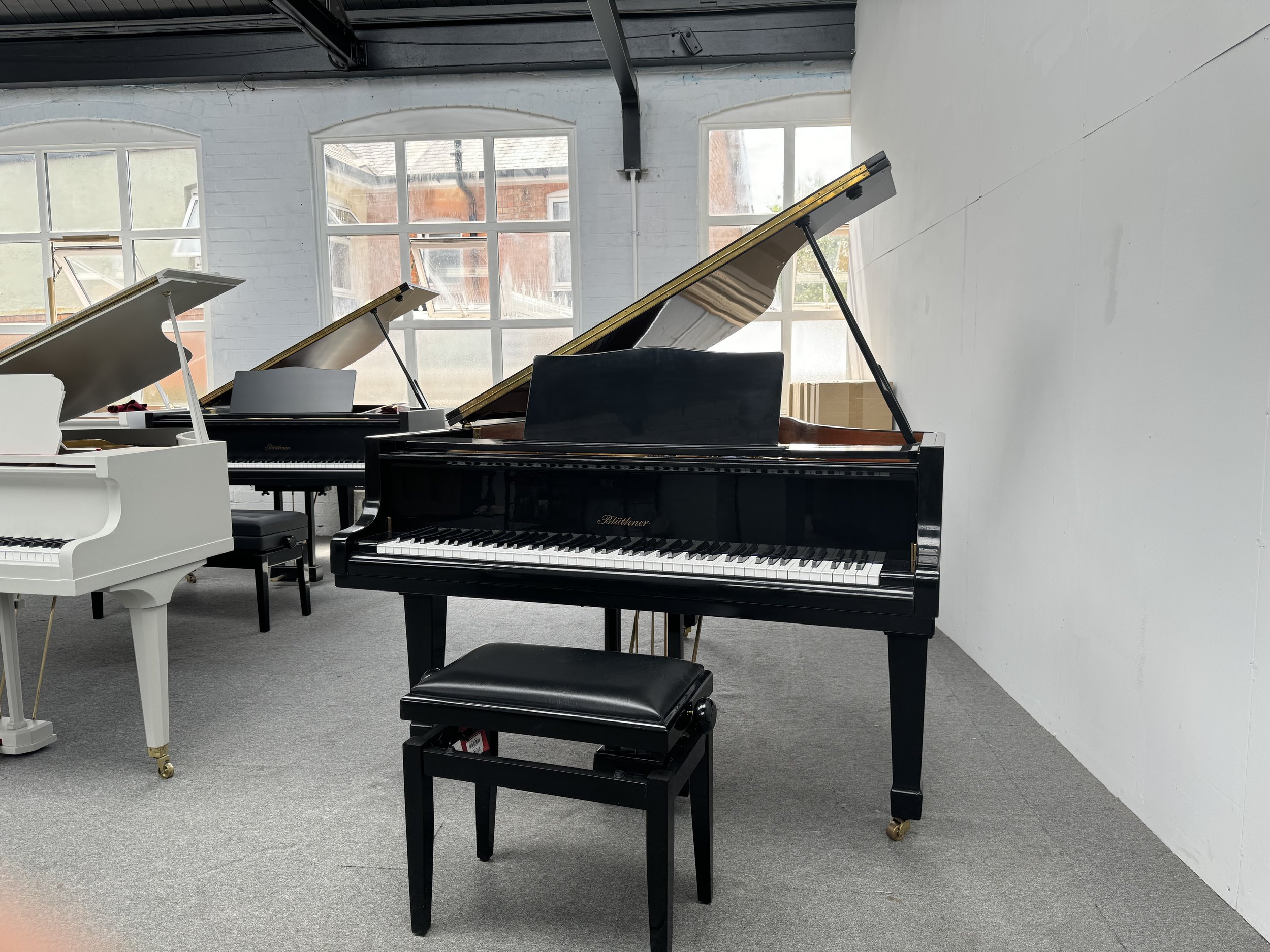 Image 7 of 12
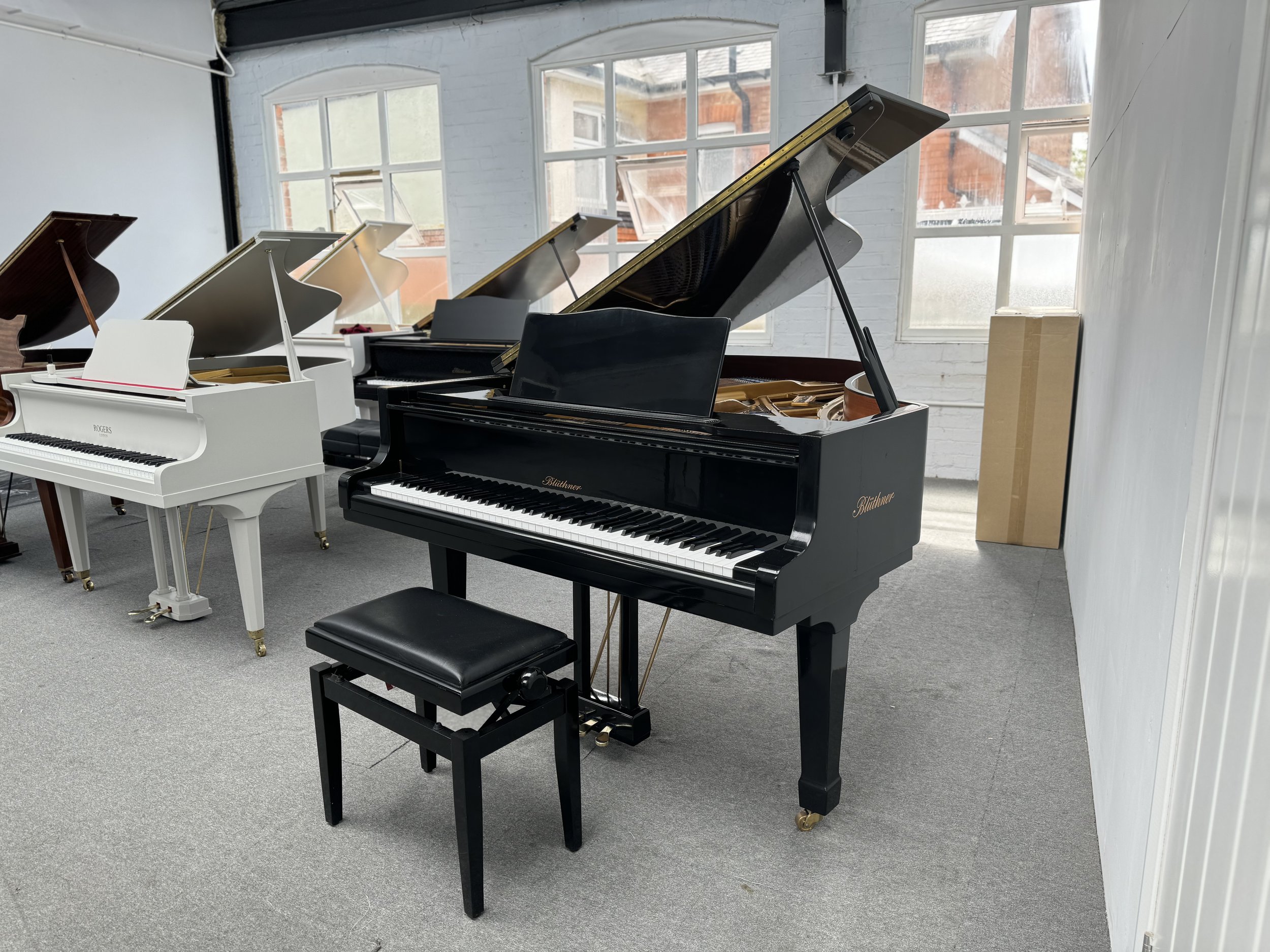 Image 8 of 12
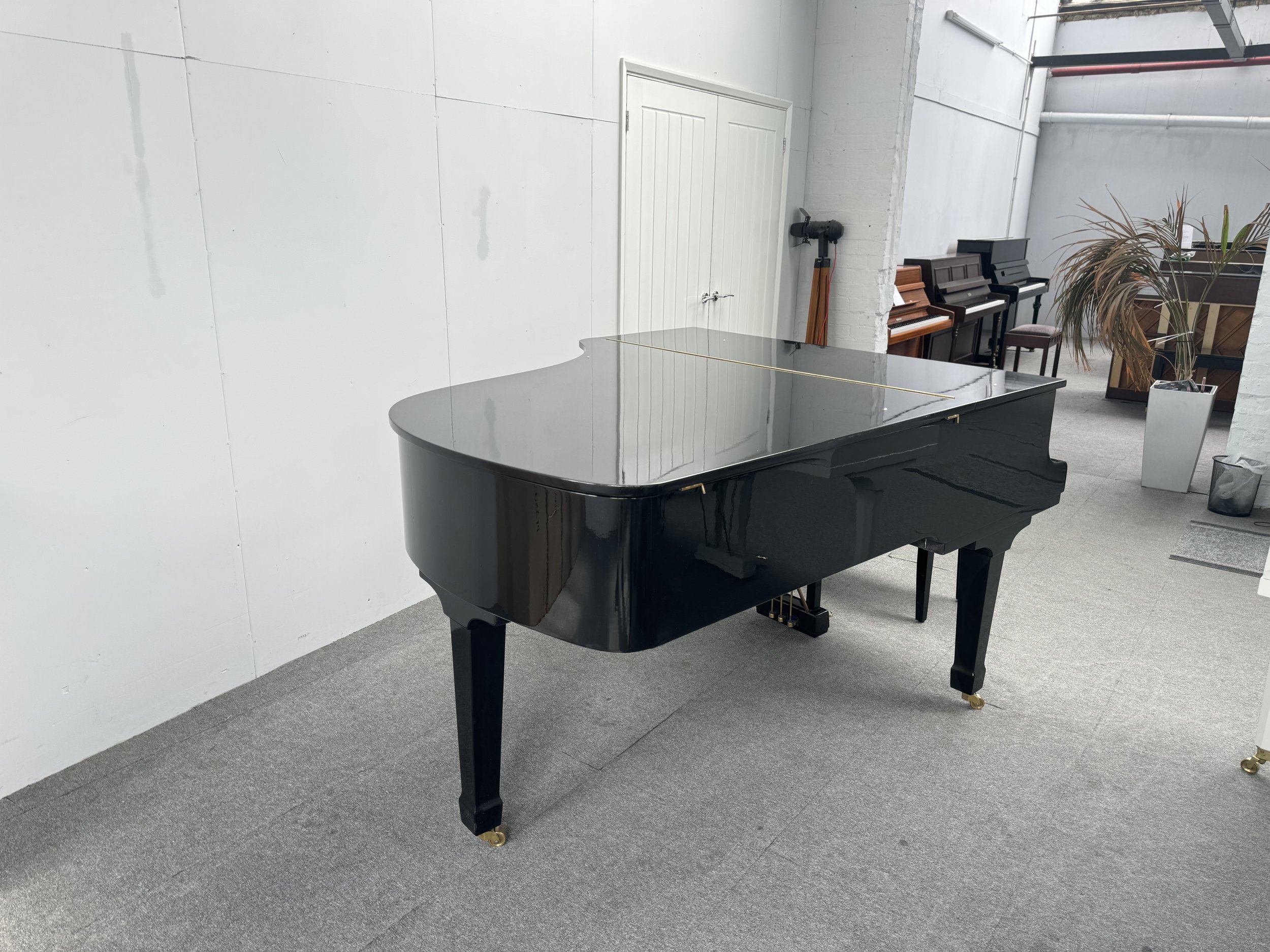 Image 9 of 12
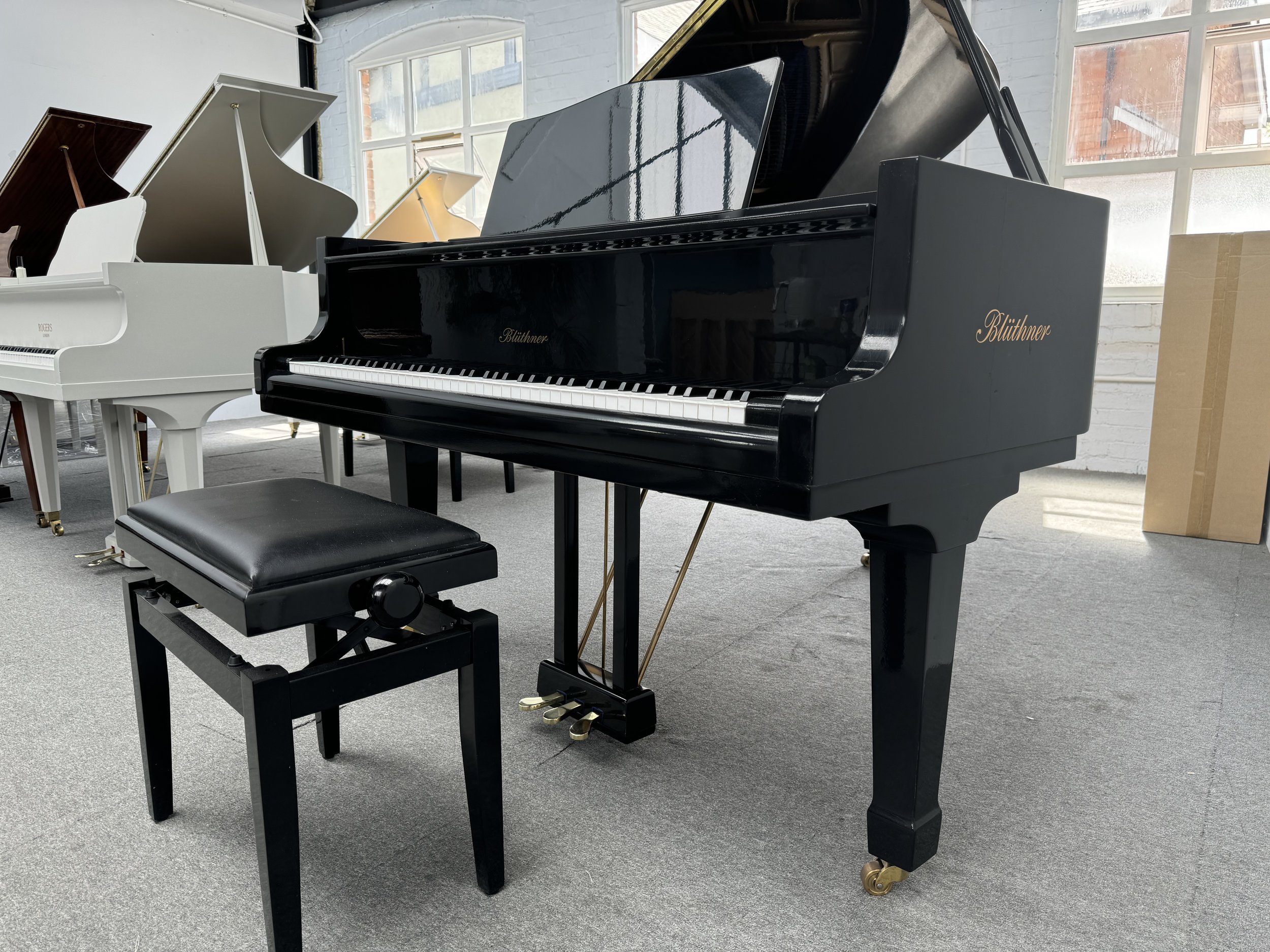 Image 10 of 12
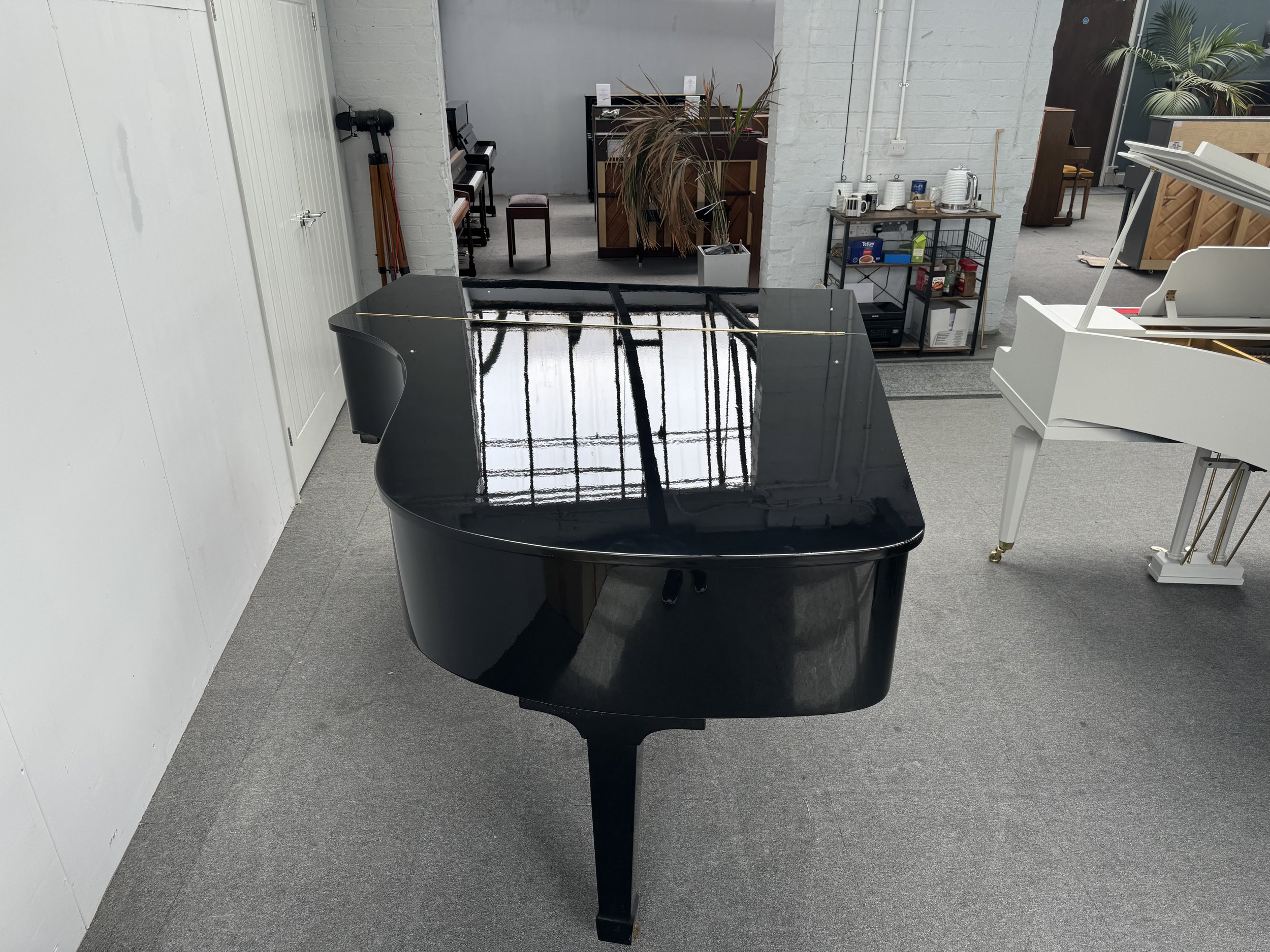 Image 11 of 12
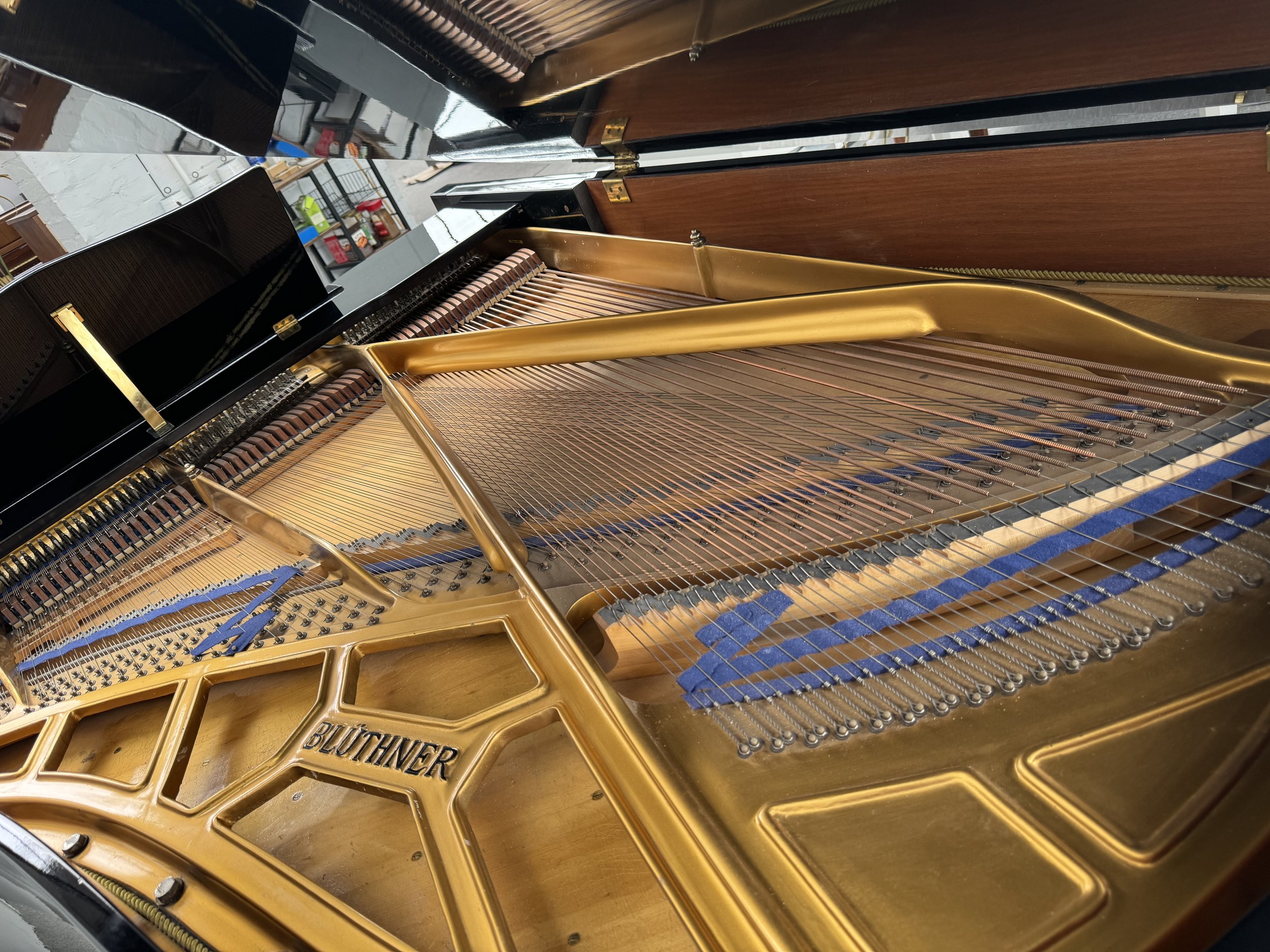 Image 12 of 12